Hooper's Excavation & Demolition

Ponds Built to Hold Water — and Keep Holding It

A pond is one of the best things you can add to Indiana ground, and one of the easiest to get wrong. We design and dig ponds that seal, with correct slopes, compacted cores, and overflows sized for real storms — plus cleanouts and repairs for ponds that have seen better days.

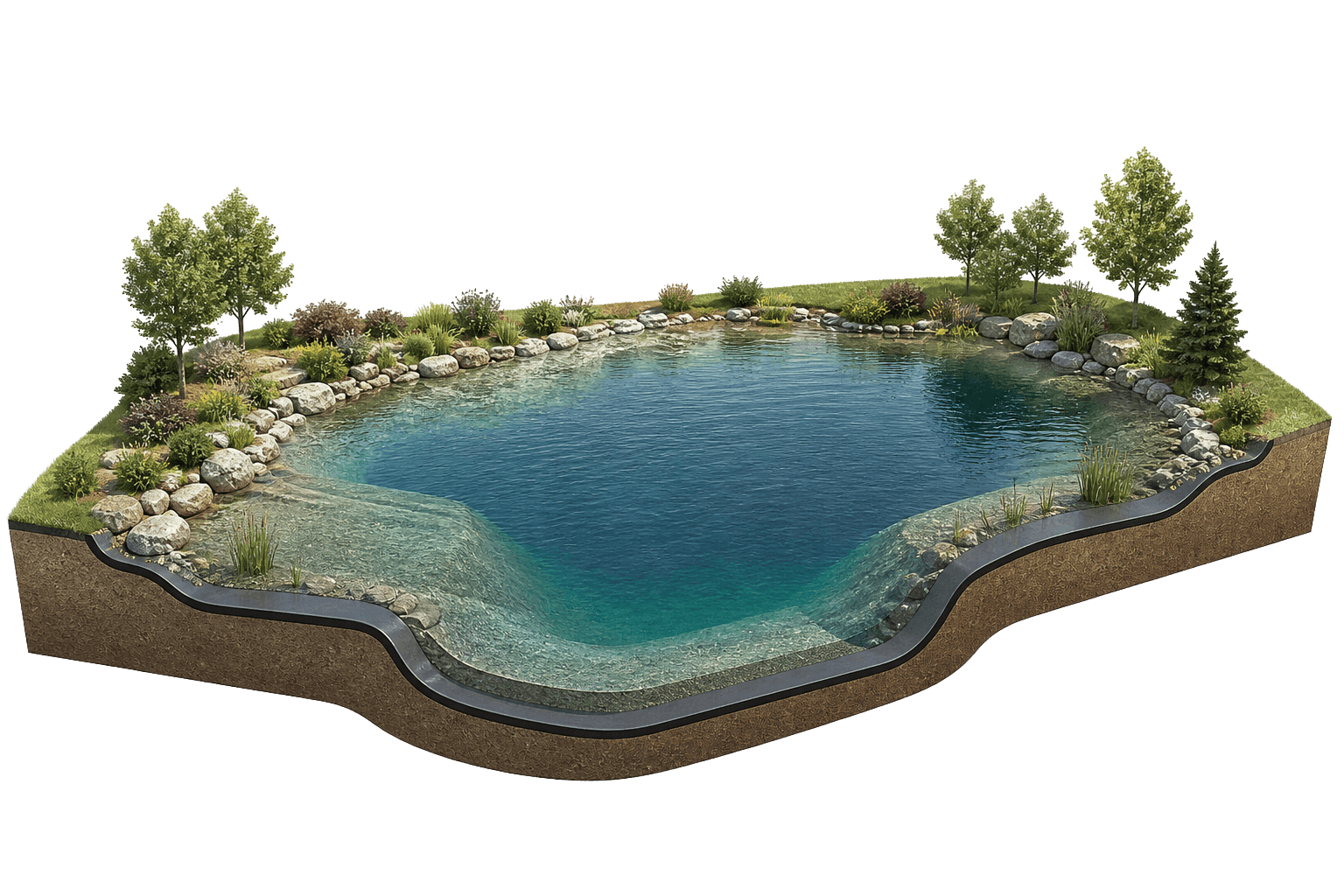
Pond Construction illustration

What makes a pond hold water

Central Indiana's clay is a gift for pond builders — if it's worked right. A pond that holds is about finding the clay, keying and compacting the dam and core, cutting slopes that won't slough, and building an overflow that handles the hundred-year storm without eating the dam. A pond that leaks is usually one of those steps skipped.

Hooper's Excavation and Demolition builds recreation ponds, fishing ponds, and farm ponds from a half acre up — and rehabilitates old ponds that have silted in, grown shallow, or started leaking.

Pond services

  • New pond construction — siting, design, excavation, dam construction, and compaction.
  • Overflow and outlet structures — primary risers and emergency spillways sized to the watershed.
  • Pond cleanouts — dredging silted ponds back to depth (best done in dry years or drawn down).
  • Dam repairs — fixing leaks, muskrat and erosion damage, and failing overflows.
  • Shoreline shaping — beach areas, fishing points, and safe slopes.

Thinking about fish?

Depth and structure decide what a pond can support. For a healthy Indiana fishing pond you want a good share of the pond at 8 feet or deeper (10 to 12 feet is better) so fish overwinter well, with shallow shelves and structure for spawning. We shape all of that in the dig — it's nearly free during construction and expensive to add later.

Permits, by County

We pull the permits on most jobs — these links show where each county's rules live for the approvals this kind of work usually touches. Exact requirements depend on the parcel.

Inside city or town limits, municipal rules often replace or add to these county resources — several towns run their own building, driveway, and stormwater programs. Check your address to see the exact authority and contacts for your parcel.

Ponds near streams or floodways may also need IDNR Division of Water approval.

Frequently Asked Questions

How much does it cost to build a pond in Indiana?+

The half-acre to one-acre recreation ponds can be very affordable, but the final price depends on how much dirt moves, dam requirements, and overflow structures. The honest variables are cubic yards and where the dirt goes — a site visit lets us give you a real number instead of a range.

Do I need a permit to build a pond?+

Often no for an upland farm/recreation pond outside regulated areas — but ponds touching streams, wetlands, floodways, or regulated drains can trigger IDNR or county requirements. We assess that up front so your pond starts legal and stays that way.

How deep should a pond be in Indiana?+

For fish: at least 8 feet over a good portion of the pond, ideally 10 to 12 feet. Shallower ponds grow weeds, run warm, and winterkill fish. For livestock or aesthetics only, 6 to 8 feet can work. Deeper costs more but ages far better.

Why did my pond stop holding water?+

Common culprits: a thin or poorly compacted seal that finally wore through, muskrat or crawfish damage, tree roots in the dam, or an overflow problem eroding the structure. Most are fixable — a drawdown inspection tells us what happened and what the repair costs.

Ready to break ground?

Serving Central Indiana from Arcadia. Straight answers, real equipment, done right.